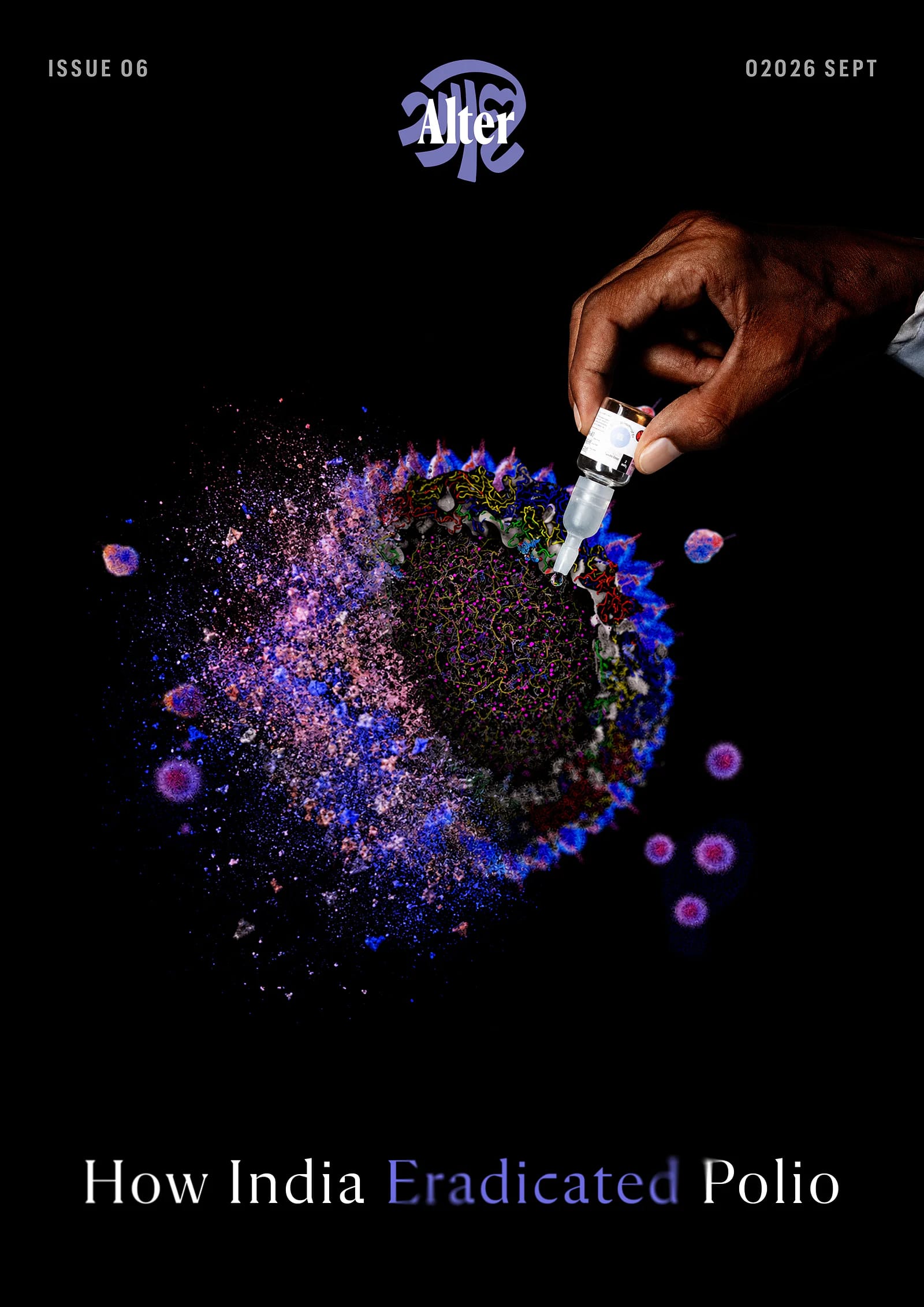
Inside the Nation’s Largest Public Health Programme
Alter Magazine
It was a particularly rainy and humid day in July 2008, when I waded down the waterlogged lanes of a small village in Budaun, Uttar Pradesh. Several other teams, from the WHO Geneva office, the National Polio Surveillance Project team from Delhi, and members from UNICEF, were visiting on the same day. Accompanying them were the representatives from the district administration and local doctors. The reason that this sleepy and neglected village had come into sudden focus was due to a recent polio type 1 case1: a 12-year-old girl.
As a result of this dubious distinction, around 15 people sat in the backyard of the girl’s home. A dozen women stood huddled in a corner and were hushed several times as the local doctors relayed the child’s disease onset, travel and clinical history to the visiting team. It seemed that the child had contracted the virus from her father, who was a labourer in Okhla (Delhi), where he was staying with people from Bihar (who in turn had passed on the strain to him).
Genetic sequencing of the strain had shown that it was an ‘orphan virus’, meaning that parents or immediate siblings of the virus had not been detected over the past 18-24 months, and the most closely related strains were seen in Bihar. Concerns were raised about the mop-up rounds2 by the external team. It seemed that those were tackled satisfactorily by the district administration, and multivitamins were dispensed to the child.
The origin of the virus could be traced because the polio eradication campaign built an extensive acute flaccid paralysis (AFP)3 surveillance system, enabling health authorities to detect possible polio cases and trace the virus's movement. Yet, given the conditions of the village, the virus might have spread through faecal-oral route4 on site. The locality lacked pukka roads and deep boring handpumps; community toilets were hardly used and situated next to shallow pumps, contaminating the water supply. Frequent waterlogging led to mosquito infestation, and children, including the affected girl, were enrolled in non-functional schools.
02026-09-08
Words by Swati Saxena
Swati is a public health researcher interested in health systems and policy, vaccines, and cancer prevention. She holds a PhD from LSHTM and an MPhil from University of Oxford. Her work aims to bridge research and practice, and learn how public health programmes interact with institutions, politics, and people. When she isn’t researching or writing, she is usually reading crime thrillers and cozy mysteries, or finding yet another book for her two young children.
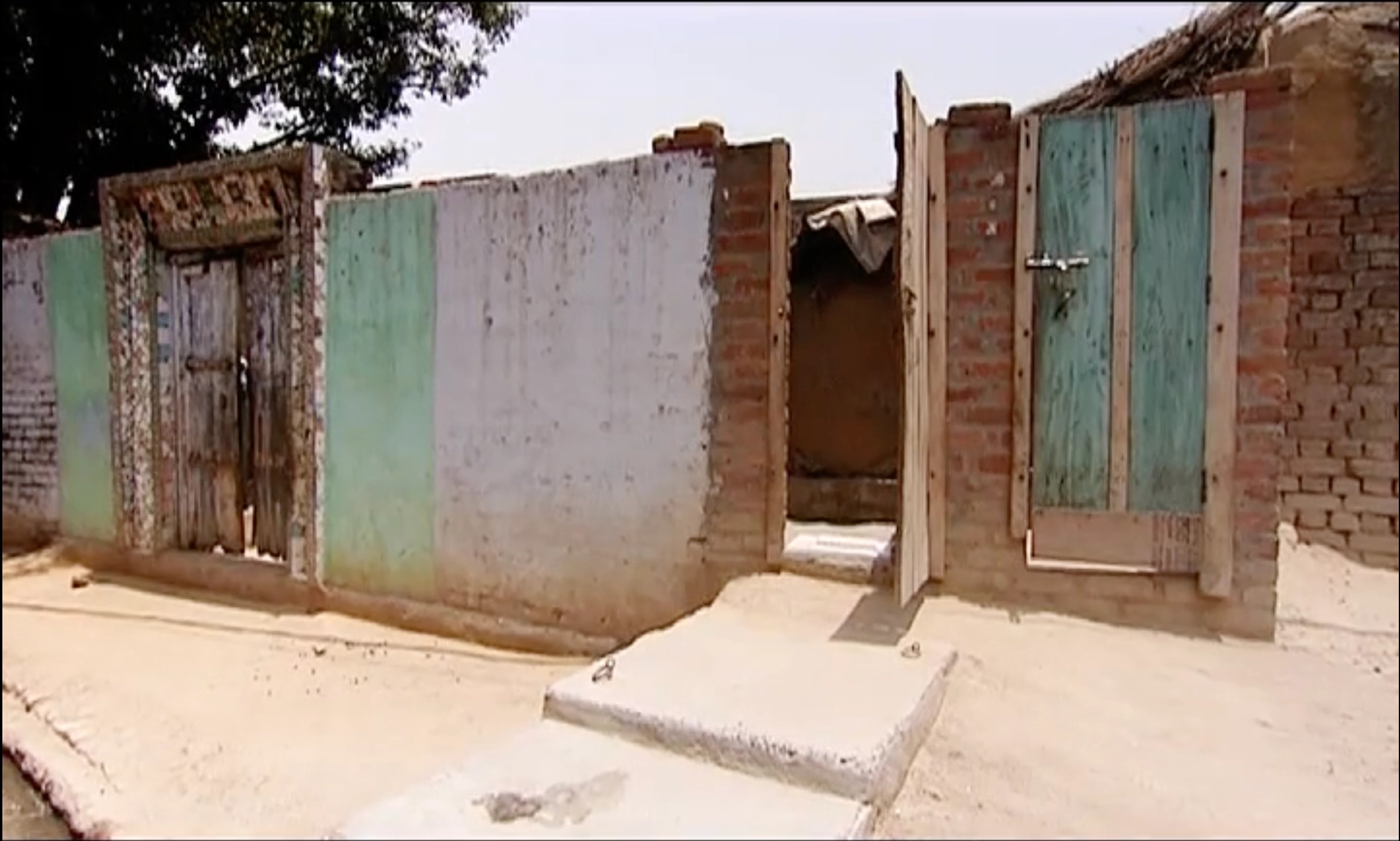
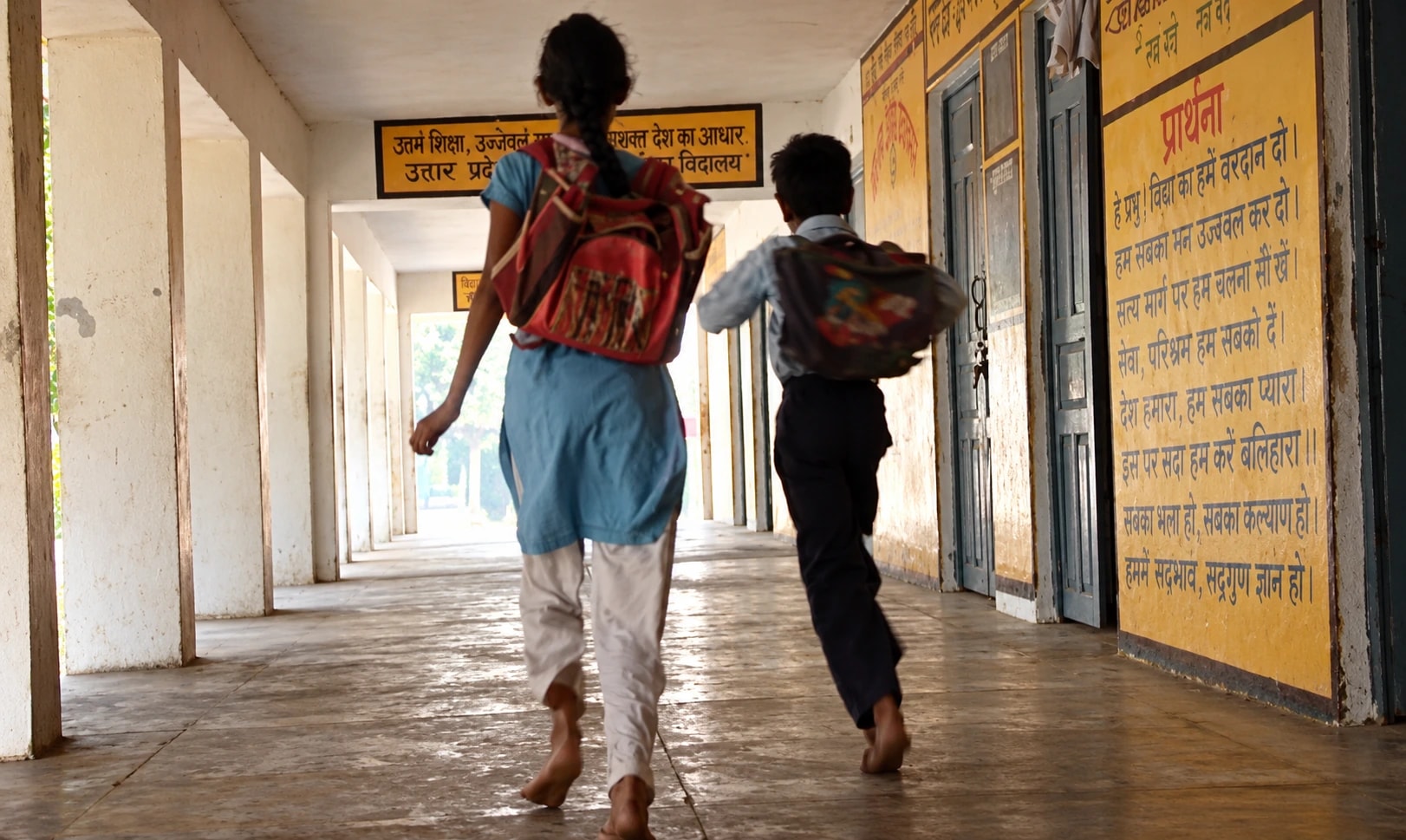
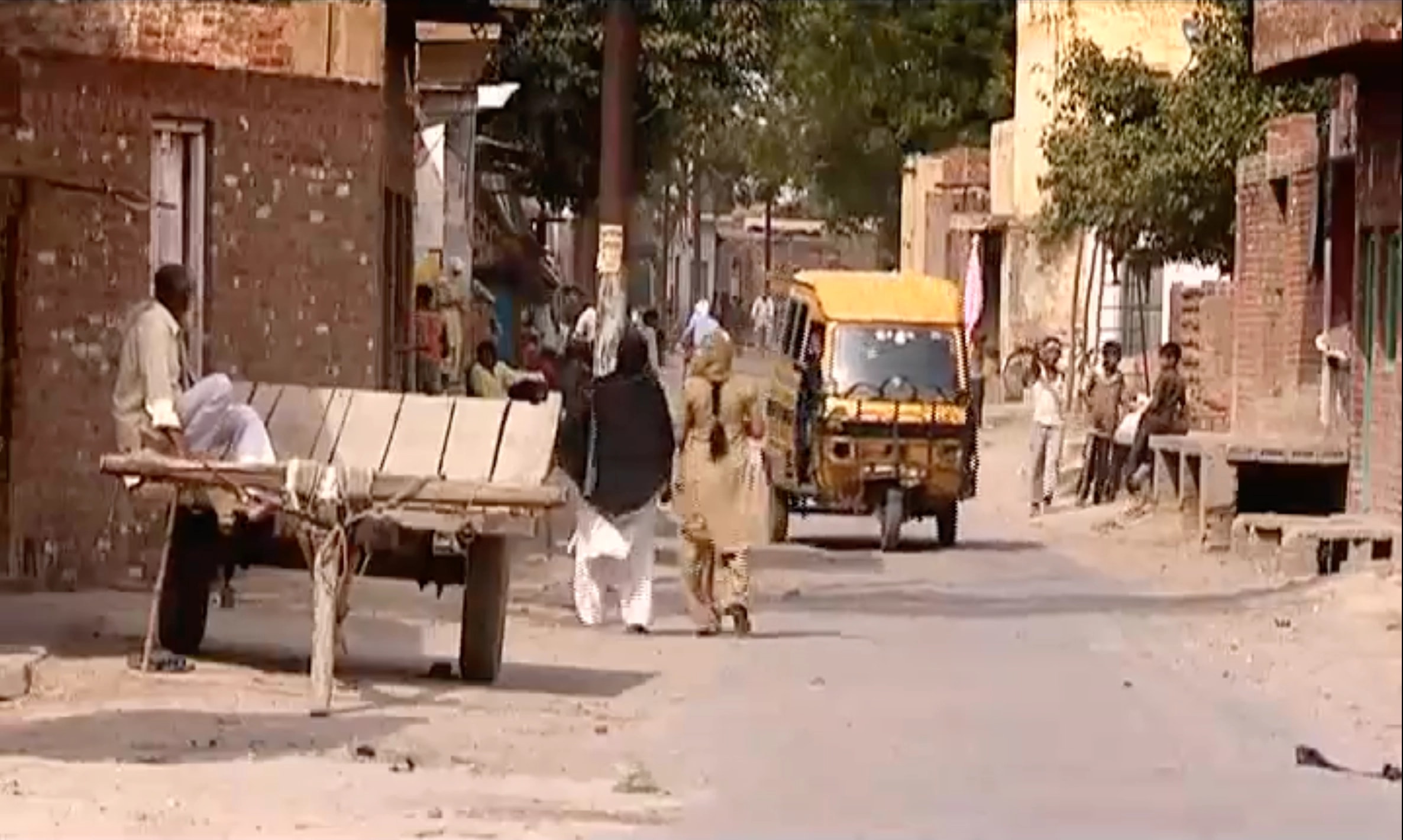
Archival photography, Budaun, Uttar Pradesh. Image credits: UNICEF, 2011
India’s polio programme, one of the longest-running and most coordinated public health efforts the country has ever witnessed, unfolded amid striking contradictions: a highly sophisticated intervention operating within a system still grappling with deep development challenges.
When India launched the nationwide Pulse Polio Immunisation Programme in 1995, barely 40 percent of rural households had electricity, and almost no Internet penetration. 5 Only three in ten households had access to a toilet.6 The nominal per-capita GDP was about one-nineteenth7 and the Union government’s annual expenditure about one-thirty-first8 of today’s. The story of how India eradicated polio thus becomes a case study in state capacity, institutional coordination, and the limits of technical solutions.
Why Polio: Making The Disease A Candidate For Eradication
❝
“Virus bounces back and forth, the programme cannot keep up with the speed of the virus.”
– Communication officer, India
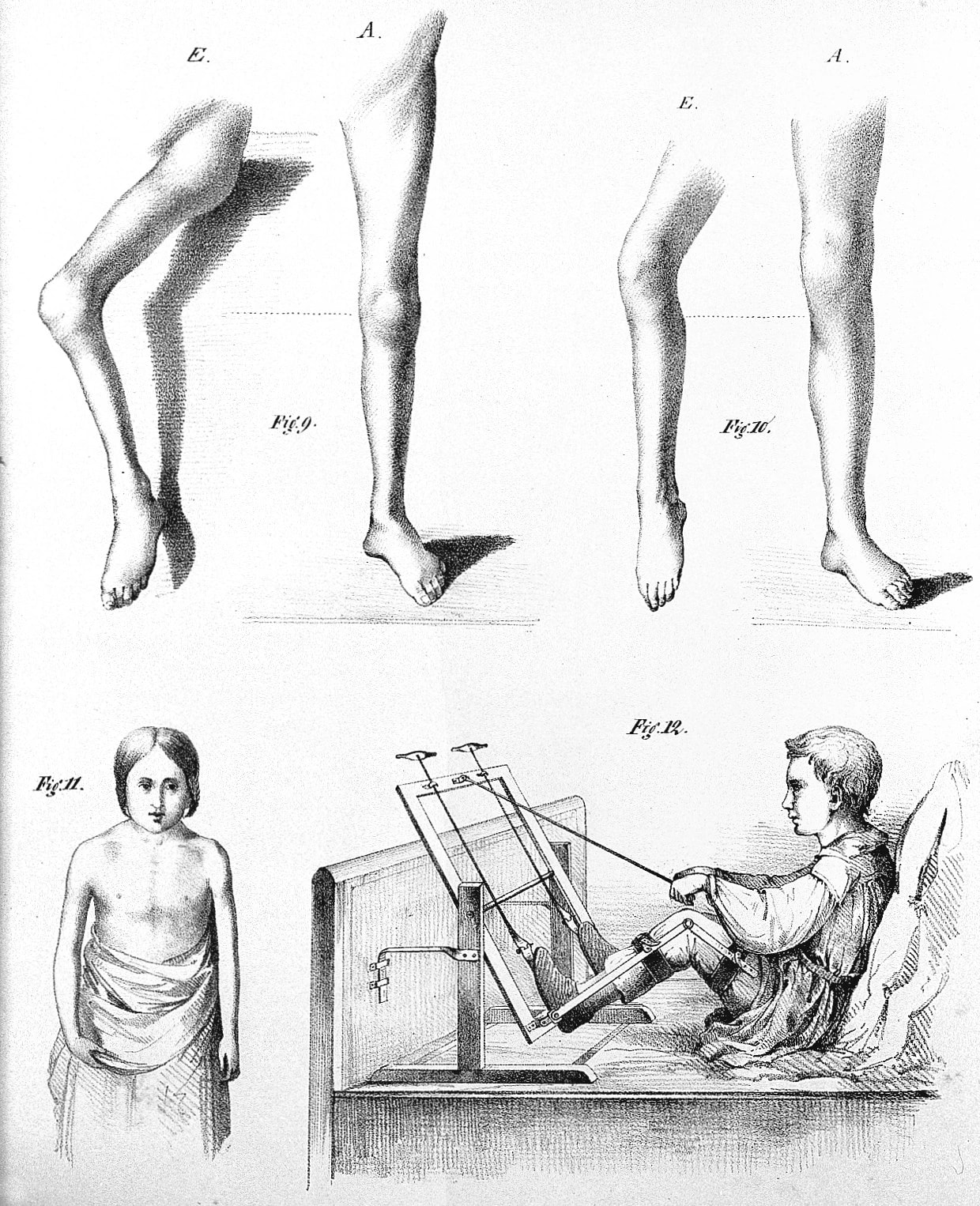
British doctor Michael Underwood did the first known clinical description of polio in 1789, but it was not until 1840 that German physician Jakob Heine formally recognised it as a condition. In the late 19th and early 20th centuries, frequent epidemics saw polio become the most feared disease in the world, and by the mid 20th century it was killing or paralysing half a million people every year.9 The first effort to combat polio was taken by a then prominent political leader, who later became President of the United States, Franklin D. Roosevelt, who was himself stricken by the disease at the age of 39 in 1921.10 He used his political weight to develop a rehabilitation centre in Georgia. Later, this was converted to the National Foundation for Infantile Paralysis in 1938.11
It was after the development of the Oral Polio Vaccine (OPV) by Albert Sabin in 1961 that polio became a candidate for eradication.12 13 Before that, a breakthrough occurred in 1949, when poliovirus was successfully cultivated in human tissue by John Enders, Thomas Weller and Frederick Robbins at Boston Children’s Hospital. Their pioneering work was recognised with the 1954 Nobel Prize. Injectable Polio Vaccine (IPV) was developed by Jonas Salk in 1955, but OPV was cheaper and easily administered, thus better for a public health programme.14 India introduced Oral Polio Vaccine (OPV) in its Extended Programme of Immunisation, 1978 (EPI), but its reach was limited, and the vaccine had to be imported. The cases did not fall dramatically in the 80s and there was no surveillance, leading to nationwide polio epidemics.15
The declaration in 1980 that smallpox had been eradicated reawakened interest in disease eradication as a public health strategy. A conference in Bellagio, Italy, in 1983 first put forward the notion of polio eradication as a goal for the Expanded Programme of Immunization. In 1985, the Pan American Health Organization (PAHO) launched an initiative to eradicate polio in the Americas by 1990. Soon afterwards, but only after the availability of funds from Rotary, which raised $247 million with the additional support of the Japanese government, in 1988, the Forty-first World Health Assembly, urged by the World Health Organization (WHO), passed a resolution to eradicate polio by the year 2000 with the commitment of the 166 member states. This achievement was to be an “appropriate gift, together with the eradication of smallpox, from the twentieth to the twenty-first century”.
By the mid-1980s, international momentum grew, with regional initiatives and funding commitments supporting polio elimination efforts. The result was the Global Polio Eradication Initiative (GPEI), led by national governments, the WHO, Rotary International, the US Centres for Disease Control and Prevention (CDC) and UNICEF. Since then, it has become one of the single-largest, internationally coordinated public health projects the world has ever known. India, as one of the member countries of WHO, officially endorsed the WHO Declaration to eradicate polio by the year 2000. Consequently, the Polio Eradication Initiative (PEI) was launched nationally by the Ministry of Health and Family Welfare in 1994-95, and the National Polio Surveillance Project (NPSP) was launched in 1997.
Elimination, however, proved tricky. In 1995, when polio eradication activities began, around 50,000 polio cases were occurring each year.16 By 2006, transmission of indigenous wild poliovirus (WPV) had been interrupted in all countries except India, Afghanistan, Pakistan, and Nigeria (ibid). The programme resulted in a rapid decline, and by 2006-2009 India annually reported 559 to 874 cases of confirmed WPV, with cases centred in the northern states of Uttar Pradesh and Bihar. However, these cases accounted for 43 percent of confirmed cases of WPV reported worldwide during this period. This was followed by only 42 cases by 2010 and one case in 2011, which was the last case, incidentally in Bengal (ibid).
Poliovirus spreads primarily through the faecal–oral route, circulating in environments with poor sanitation and limited access to clean water. In the 90s and early-mid 2000s, these conditions were prevalent in the endemic states of north India, Uttar Pradesh and Bihar. High population density, poor health infrastructure, and widespread open defecation facilitated rapid transmission of poliovirus. High levels of childhood diarrhoea and malnutrition further reduced the effectiveness of the OPV drop and required children to receive multiple doses before achieving adequate immunity.
The initiative required massive logistical planning and mobilisation. In rural pockets where polio was endemic, even routine immunisation was poor and uneven, as local Primary Health Centres (PHCs) or community health workers did not cover many children. The programme also had to contend with highly mobile populations, including migrant labourers, nomadic groups, and families living in informal urban settlements. Identifying and vaccinating these children required extensive microplanning, house-to-house visits, and tracking systems to ensure that no settlements were overlooked.
Social and political factors also shaped implementation. In some areas, rumours and mistrust of vaccination campaigns created resistance, while the frequent rounds of immunisation led to fatigue among both communities and frontline workers. Operationally, the campaign required maintaining a complex cold chain and vaccine supply system across diverse terrains and climates, as well as coordination between multiple actors, including central and state governments, international agencies, and local health workers. A combination of these factors led to the planning and implementation of one of the most detailed public health campaigns India had ever witnessed.
Building The Machine: The Operational Architecture Of The Campaign
❝
“Use your research to show the Oxford people that people from India are doing good work.”
– District health officer
❝
“Representatives from Lions Club and Rotary Club are there only for publicity. They get themselves photographed and then disappear.”
– Block health officer
In the Medical Officer’s small PHC in a relatively better-off village of Uttar Pradesh, I found myself facing a very angry father, whose three-year-old son was affected by polio. He alleged being treated poorly by the health personnel. Seeking private doctors, medication, and travel costs had incurred him huge bills, Rs. 4000, a considerable sum for a labourer. He was contradicted by an energetic ANM (Auxiliary Nursing Midwife), who called him a case of extreme resistance, someone who had refused all vaccinations for his eight children and pregnant wife. When cornered and questioned by the officers, the father’s logic was simple: the child had already got polio, what was now the point of vaccinations? He was informed that there existed several diseases with different vaccinations, and while polio had only crippled his child, other diseases may kill him.
Eradication requires reaching each child, assiduous tracking, diligent follow-ups, and ensuring no one is left behind. It was on this logic that the edifice of the polio eradication initiative was built. The programme was so visible that anyone with a living memory of being in the 90s and early 2000s would remember the bright yellow campaign that took over Sundays. Booths were set up on the first day of the NID/SNID (National Immunisation Days/ Sub- National Immunisation Days) campaigns in prominent, easily identifiable, acceptable, crowded and convenient locations like schools, hospitals, and religious places.
This was followed by several days of house-to-house visits, during which vaccination teams systematically covered every settlement to identify children who had not attended the booths. Houses were marked after each visit to indicate whether children had been vaccinated, were absent, or required a return visit. These markings allowed supervisors to monitor coverage in real time and direct teams back to missed households.
For immunising children in transit, PEI teams were deployed at major railway stations, bus terminals, ferry crossings, highways, airports, important road crossings, roadside bus stands, toll booths on highways, important river bridges and moving trains, etc., on all days of the NID/SNID activities. Children were also immunised at festivals and religious congregations. Special efforts were made in high-risk and underserved areas where resistance was high, with gaps in surveillance and immunisation, and recent confirmed cases. These included mobile tribes, children at construction sites or brick kilns, isolated families living in remote areas or people in slums.
The programme depended on a complex logistical infrastructure. Vaccines were transported through a multi-tiered supply chain from national stores to state warehouses, and then to district and block levels, while maintaining a strict cold chain to preserve potency in India’s high temperatures. Cold boxes, vaccine carriers and temperature indicators were used to monitor vaccine viability during transport and field use. At the same time, thousands of vaccinators, supervisors and volunteers had to be deployed across districts according to detailed route maps prepared in advance.
The programme depended on a complex logistical infrastructure. Vaccines were transported through a multi-tiered supply chain from national stores to state warehouses, and then to district and block levels, while maintaining a strict cold chain to preserve potency in India’s high temperatures.
Follow the vaccine supply chain: manufacture, pack, store, transport, distribute, reach communities, vaccinate, vaccinate more, and protect. Do boond, zindagi ke — Two drops of life. Scroll down to follow the journey.
Alongside vaccination rounds, the campaign built an extensive acute flaccid paralysis surveillance system, enabling health authorities to detect possible polio cases and trace the virus as it spread. When cases were identified, targeted immunisation campaigns were rapidly organised in affected districts. This entire operation required massive coordination of medical officers, nurses, community health workers, the district administration and various international agencies working in tandem with local influencers, religious leaders, and common volunteers.
Polio And The People: Building Trust Amidst Poverty
Despite the lively façade, polio was a disease mired in socio-economic realities. The last endemic districts were characterised by high population density, poor sanitation, inadequate access to clean water, low routine immunisation coverage, and weak health infrastructure. These conditions facilitated the continued transmission of the virus. As transmission declined nationally, the disease became progressively concentrated in communities that were hardest to reach through conventional health services.
Many of these populations were highly mobile or geographically isolated, including migrant labourers, families living in urban informal settlements, residents of remote rural areas, and communities with limited engagement with state institutions. Disease eradication efforts became most challenging in settings where social exclusion, poverty, and infrastructural deficits intersected.
In parts of western Uttar Pradesh and Bihar, some of the areas where transmission persisted the longest were districts with large Muslim populations. Some rumours, though rarer towards the end, persisted through local newspapers with small readerships. A handbill in Urdu distributed during Friday namaz (prayers) in Bihar in 2005 stated,17 “The polio vaccine contains cells extracted from the kidney of pigs and monkeys … It makes young ones impotent in future. The vaccine has been banned in America and is a Western conspiracy towards the East, and the minority community is the key target.” However, towards the end of my fieldwork, most rumours had subsided.
I came across several children from the minority community who had all received the drop but still developed polio. This may be a reason for lack of faith in the programme, but there was no widespread resistance. In some instances, seeing that the government was so desperate for successful implementation, people held the programme to ransom. They realised that polio was perhaps their only point of contact with the state, which otherwise remained elusive, and tried to negotiate for other services during the rounds. Incidents were reported in Bihar and UP where villagers boycotted the ‘pulse polio’ drives, refusing the vaccine for their infants to draw attention to the absence of roads, electricity, drinking water, and schools in their area.18
Public health officials increasingly recognised that the challenge was not simply one of vaccine acceptance but of addressing the structural conditions that allowed transmission to persist. This recognition shaped the programme's social mobilisation strategy. Rather than treating communities as obstacles to eradication, the campaign increasingly relied on local leaders, religious authorities and community mobilisers to build trust and address concerns.
The People: The Actors Behind The Campaign
❝
“I believe there is no reason why India cannot eradicate polio. The quality of the programme is equivalent in public health to nothing else in the world ever. And it is largely run and staffed by Indian people.”
– WHO staff in India
❝
“They (the WHO) are not interested in polio eradication. They are interested in polio prolongation for as long as possible.”
– Government Official in Uttar Pradesh
A senior academic from JNU encouraged me to explore the programme as a story of tensions. At the centre was the Ministry of Health and Family Welfare, which coordinated national policy, vaccine procurement and immunisation schedules, working closely with state governments for implementation. At the district level, administrative leadership, through District Magistrates and Chief Medical Officers, ensured microplanning and execution of vaccination rounds. International organisations provided critical support: WHO strengthened surveillance through the National Polio Surveillance Project, while UNICEF led communication and social mobilisation efforts via the Social Mobilisation Network (SMNet).
Civil society actors, including Rotary International and partner NGOs, contributed funding, advocacy, and community outreach. The India Expert Advisory Group (IEAG)19 guided the strategy through regular technical reviews. Finally, a large cadre of frontline health workers, including auxiliary nurse midwives, community health activists and local volunteers, formed the backbone of the campaign. They staffed vaccination booths, conducted house-to-house visits, and maintained household records for tracking.
With such multiplicity of voices, the frictions on the ground were palpable. In some communities, vaccination rounds became occasions for residents to express broader grievances about the absence of basic services such as roads, water or electricity. In other areas, polio eradication efforts threatened to eclipse regular immunisation and other health services. An academic, when questioned about diversion of resources from other health programmes due to polio, asserted that, “Cynical answer given by the WHO is that they [health workers] are not doing anything anyway… at least they are doing polio.”
This sentiment was also felt by the administration. “Because of polio, my other programmes get affected. All workers at the district level and lower are in the field…all other activities get stopped,” a District Immunisation Officer in Uttar Pradesh said. Yet, representatives from WHO disagreed, “This is a favourite story [PEI negatively impacting routine health care]. It is true to an extent. But I haven’t seen or experienced in many years working here that it has affected the performance of these other programmes. Polio is a convenient excuse for not doing other things…There are certainly demands on health workers for polio. It certainly takes funds. It consumes the time of doctors. But it is not causing other things to not happen. Other things are not happening because they are not managed well.”
Despite these conflicts, I observed an interesting phenomenon during my field visits. Due to the visibility of the polio programme, the oft-neglected discourse of public health gained traction. The polio immunisation team and the PHC administration came into regular interaction with people who, in turn, used this opportunity to air other criticisms, making PEI an interesting point of contact between the people and the frequently absent state.
The administration also used the booths and house-to-house visits to share information on regular immunisation and other health issues. Despite low Internet penetration in the 2000s and almost no social media or instant messaging mobile apps, the communication worked brilliantly through innovative campaigns and word of mouth. The social mobilisation campaign, discussed in the next section, shows how a public health campaign, when planned well, can almost be festive.
Do Boond Zindagi Ke: Social Mobilisation Campaign
“We should be ashamed of ourselves. These poliowalas (vaccinators) have returned! And they aren’t fools to keep coming back. …If even one child is left unimmunised, the disease will not be eradicated…Polio does not attack children according to their caste or religion. All of you listen carefully: on 5th January and 9th February polio drops will be given to all children across the country.”
Public Service Announcements for polio featuring Amitabh Bachchan in January 2003
❝
“You have come so many times that now the child opens his mouth automatically when he sees someone wearing a yellow shirt! (Uniform for polio vaccinators)”
– A mother in Uttar Pradesh
The Polio Eradication Programme was perhaps the most visible public health campaign India has witnessed. Yellow banners, announcing the date of the Polio Sunday that was held every month, were visible in every corner of the city. Television, radio, print and SMS were all used for communication. There were appeals by religious and/or minority leaders, and involvement of educational institutions, political leaders, and popular TV stars.
On one such Sunday, I sat with the NID team in a school that was functioning as the polio immunisation camp site for the day. Mothers with babes in arms stood in a small line as a determined nurse pinched their cheeks, deposited the drops, and shuffled them further. She suggested that I could also squeeze the dropper and dispense the drop if I wanted. I declined, but she was unfazed, explaining that since polio is an oral drop, anyone could give it. No medical training was required, compared to other immunisations that need to be given via syringe and require a medical professional.
The nurse attributed this small but important distinction to the programme’s success. This also allowed the campaign to rope in celebrities giving drops to children on camera. The most prominent was actor Amitabh Bachchan, the face of the campaign, who also did advertisements with actors Shah Rukh Khan, Aishwarya Rai, and cricketer Virender Sehwag. Presidents APJ Kalam and Pratibha Patil were also photographed giving drops, building momentum for the programme.
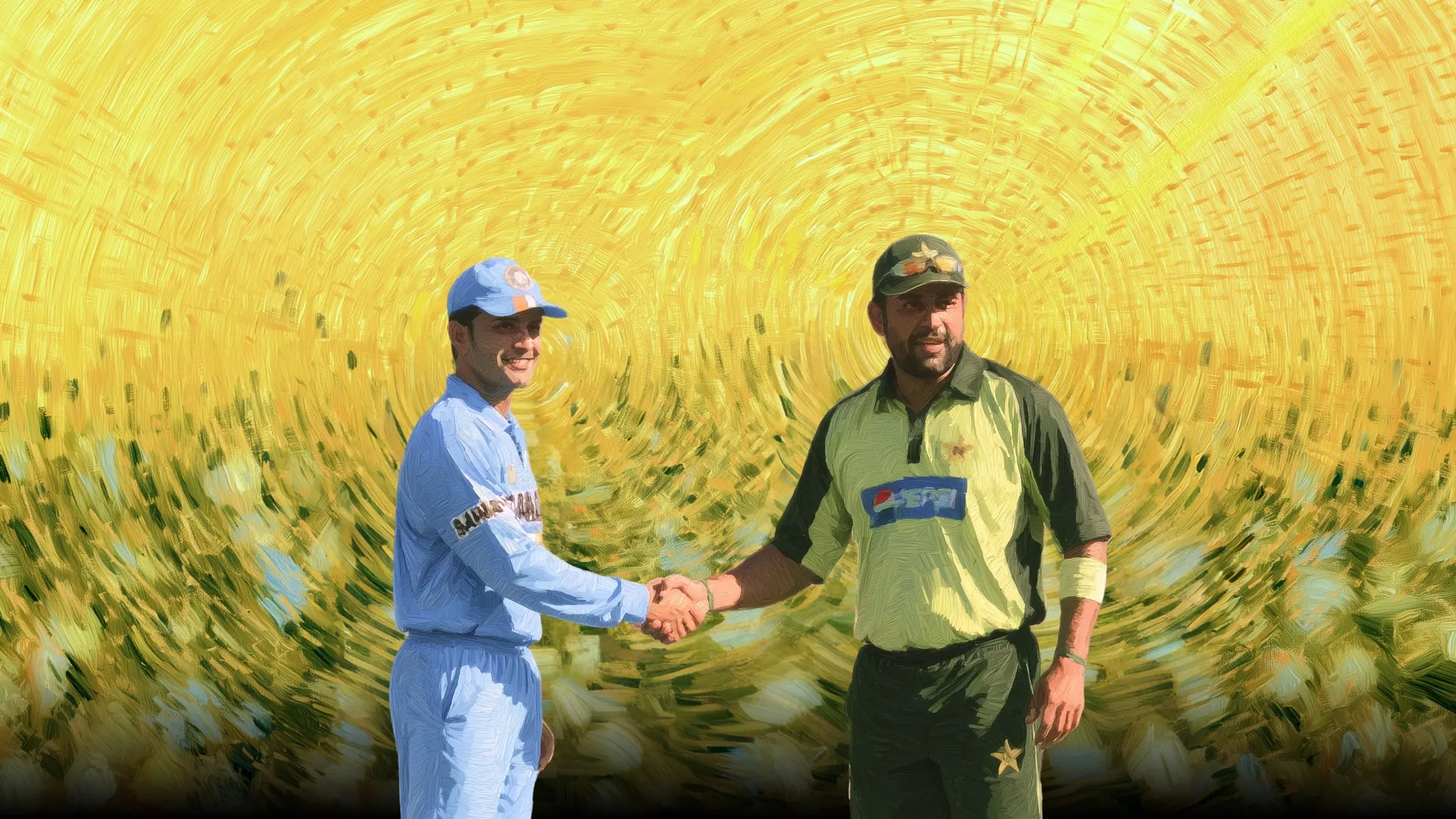
The printed material included danglers and buntings carrying the message, as well as brochures, handbills, leaflets, posters, and billboards. Immunised children were given balloons, sunshades, caps, badges, T-shirts, aprons, mobile stands, umbrellas, and whistles (the noise from the whistles almost served as an announcement for others). The rural areas were especially targeted by community radio. Given the popularity of cricket in India, the ‘Friendship Series’ between India and Pakistan in 2004 was used as an appropriate media event where the captains of the two teams could urge people to ‘bowl out polio’.
UNICEF’s SMNets (Social Mobilisation Networks) became the largest mobilisers of public health initiatives, with 95 percent of its volunteers being women and Muslims. Their reach extended to all the families in the village, so much so that they knew the children by name. Many inventive practices were used to vaccinate children, build acceptance for the programme, give information, and address rumours. Meetings were held, for example, with expectant mothers, local influencers, mothers-in-law and daughters-in-law, PRI (Panchayati Raj Institution) leaders, and school teachers, etc., to convince them to vaccinate children. Tools like interactive quiz sessions, video shows, flip books, and bulawa tolis (children brigades to get more children to the booths) were used.
Social mobilisation remained an ongoing process and functioned like a campaign. However, this had challenges. An officer from the Ministry of Health pointed out, “A campaign remains a campaign for some time.” Towards the end of the decade, with repeated revisions of deadlines, fatigue and complacency were setting in. Due to recurring rounds, some children had received the drop up to 25 times.
Ultimately, it was a catch-22 situation. It was hard to pull out given the resources, time and effort that had gone into this global commitment. At the same time, the Health Departments of the states were feeling the brunt, as an officer explained: “We cannot say that we won’t do it, we are getting fatigued…We are not capable of taking that decision because of the kind of top-level decision-making that has gone into this polio thing… this is an international issue in which one state or two states cannot say they are fatigued…we are tied.”
Eradication Versus Control: The Contestation Surrounding PEI
❝
“If you look at the Indian context, there are far greater number of diseases in India which have greater morbidity and mortality…but if you look at the global context and the effort to eradicate this disease…the world has invested enormous amounts of money… There is a lot of international pressure, no doubt about it… but to an extent it is justified because it is a global effort to eradicate a disease.”
National government official
❝
“Polio programme is not a priority for the average person. Average person is concerned with water, jobs, electricity…but they don’t bargain their participation based on delivery of these services…”
Officer, UNICEF
Despite its eventual success, a central question the polio eradication campaign raised was whether eradication was the appropriate public health priority for a country facing multiple health challenges in the first place. Some critics argued that the emphasis on a single disease risked diverting resources and attention from broader health system needs such as routine immunisation, maternal health services, sanitation, and nutrition. From this perspective, a strategy focused on strengthening primary health care might have delivered wider health benefits than a narrowly targeted eradication campaign, especially when polio was spread through the faecal-oral route.
This criticism drew from the vertical structure of the programme. Intensive rounds, managed through parallel administrative and surveillance systems, enabled tight monitoring and perhaps improved communities’ perception of health services. At the same time, it raised concerns about sustainability (whether the programme could be run long-term) because it placed heavy demands on staff and routine services, and led to programme fatigue among health workers and communities. While international organisations argued that routine services were the responsibility of the state, the district administration believed that, in their cost-benefit analysis, PEI didn’t include the costs of resources and personnel used for delivery, most of which came from the public health services.
Thus, a debate emerged between national priorities and international commitments. International organisations saw polio eradication as a global public good. They also argued that waiting for public health services and routine immunisation services to improve before introducing any vertical immunisation programme risks leaving populations vulnerable to infections and accruing high costs in the future. As long as technically feasible, they maintained, eradication offers both lower cumulative costs and cases.
However, towards the end, the programme was facing criticism and scepticism from national officials, Indian civil society, and academics. They argued that polio was not a priority disease for India since the numbers were minuscule: most children affected were either asymptomatic or presenting with mild symptoms, and it was confined to a few areas. While no state official admitted to being forced into taking up the programme, there was a consensus that India was under pressure to honour its global commitment to disease eradication. They believed that, as a stand-alone programme, the effort was expensive for India, and some argued for shifting from an “eradication” to a “control” strategy, in which polio would be part of routine immunisation.
Despite the scepticism, the government continued with the eradication strategy, perhaps due to international commitments, and the results became visible in 2014.
The Final Leap: India Is Declared Polio-Free
❝
“It gives me great pleasure to join you today in celebrating India’s polio-free status… In a country like India, where the sheer numbers of our population and access to remote regions is a unique challenge, the fact that the programme reached every corner of our country, that the volunteers were successful in persuading all communities about the importance of immunisation and eliciting their co-operation, repeatedly, for timely administration of the prescribed doses, speaks of the unparalleled dedication of all concerned… Ladies and Gentlemen, while we rejoice today, we must remind ourselves of those nations whose battle against the polio virus is not yet over… we will continue to be at risk until the whole world is free of the virus.”
Presidential address by then President Pranab Mukherjee, 2014
The speech is cautious in celebrating elimination. The persistence of this outbreak has reminded the global health community that eliminating a virus is not simply a biomedical task but a sustained exercise in public health systems, logistics, and governance.
In the current decade, the first such alert came from Afghanistan in 2021. In 2018, the Taliban banned door-to-door polio vaccination, which led to approximately 3·4 million children not being vaccinated.20 Resurgence was also seen in Pakistan in 2024. It was concluded that this happened due to disrupted routine immunisation services due to Covid-19 and monsoon floods of 2022, leading to missed critical doses and immunity gaps.21 Most recently, in 2025, there has been an outbreak in Gaza, highlighting the challenges of maintaining vaccination efforts in conflict zones. In February 2026, the WHO prequalified an additional novel Oral Polio Vaccine type 2 (nOPV2) to strengthen outbreak response.22
Two decades ago, India was reporting the largest number of cases globally. Its high population density made it one of the most vulnerable hotspots for rapid transmission. India’s polio eradication success story is thus a triumph of machinery that made eradication possible: microplanning, surveillance systems, supply chains, and coordination of institutions across multiple levels of government, including the international organisations and local health workers.
Despite infrastructural constraints, the programme built systems capable of monitoring transmission and responding rapidly to gaps. Its success underscores the centrality of community engagement in overcoming resistance and the role of long-term administrative persistence in maintaining momentum, even amid uncertainty and competing public health priorities.
Traversing through the tensions and shifts, India’s polio-free journey saw its last case of wild poliovirus in Howrah, West Bengal in 2011. Following this, the country ramped up surveillance efforts. After three years with no wild poliovirus transmission, robust surveillance systems, and the destruction of any remaining stocks of the virus, the WHO declared India polio-free on 27th March 2014. In line with the Global Polio Endgame Strategy, in 2015 India introduced the Inactivated Polio Vaccine (IPV), an injectable vaccine, in addition to the oral polio vaccine that was primarily used in its eradication efforts (due to convenience, ease of administration and low costs).
Indian children now receive 5 doses of OPV and 2 fractional doses of IPV until the age of two, along with their regular immunisations. Privately, IPV is also available as a combination vaccine where it is combined with DPT, Hib, and Hep B, making it a part of a hexavalent vaccine (six in one). No special, weekly, separate days are held for polio immunisation anymore. The country now generally conducts a National Immunisation Day (NID) each year, and one or two Sub National Immunisation Days (SNIDs) in selected high-risk states or districts, depending on risk assessments and surveillance findings. There have not been any reported resurgences of cases from India so far, in people or in the environment. The bright, yellow and energetic signs of one of the most visible public health campaigns have now faded from public memory.
India faced another major public health crisis almost a decade after the last recorded case of wild poliovirus, with the global Covid-19 pandemic in 2019-20. The pandemic, and the mass adult vaccination campaign that followed, again thrust infectious disease control into the national narratives. It also demonstrated the unpredictability of viruses, the ease of spread in the era of globalisation, the importance of monitoring and surveillance, and the vitality of vaccinations. The resurgence of polio in countries where vaccinations were disrupted due to conflicts or natural disasters, and where health systems were already fragile, shows how quickly gains made in eradication efforts can be lost if we ever get complacent.
Edited by Fahad Hasin
.jpeg&w=384&q=80&dpl=dpl_BFrp311YSPQm7iVpxFEN9z8q48BP)
Fahad Hasin is a researcher and blogger. His writing is mostly focused on India, covering economics, public policy, and society. But given his love for interdisciplinarity, he ends up wandering well beyond. His work has appeared in India's leading publications like the Hindustan Times, Outlook, Firstpost, and the Wire. He is currently a 1991 Fellow and an Emergent Ventures grantee.

Notes from Team Alter:
Travel was a recurring concept in the virus, the campaign to fight it, and in the design and development of the article. As we went through our own rabbit holes of understanding polio, we were astounded by the efforts from multiple bodies across years to eradicate a complicated virus.
We used pixel art in the intro and the cursor retains this virus throughout, eventually disappearing as the piece progresses. This was a subtle touch to anchor the prominence and the persistence of the disease.
Our second design problem was about conveying the sheer magnitude of operations. There were 56 interconnected actors across 4 levels in the largest public health programme India has ever orchestrated. We had to guide our readers to understand this chaos, across many moving parts. Simply diagramming this would be a cop-out.
We also resisted adding new illustrations. Piyush Pandey’s advertising campaigns, posters, merchandise, and UNICEF films. They are all part of India’s collective cultural memory in our fight against polio. We wanted the reader to breathe through these words, so interruptions are sparse. Instead, we used our illustration language where an image could do useful work in making the vaccine's logistics memorable.